
| HEALTHY LIVING TIPS 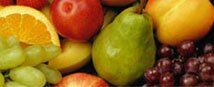 |



 Healthy Eating, Healthy AgingAs we age, our nutrition needs change. We need fewer calories, but just as many nutrients and – in some cases – even more. For example, people over 50 need more Calcium, vitamin D and vitamin B6 than younger people. A healthy diet includes vegetables and fruit, grain products, fruits and vegetables, lean meats, nuts and beans (meats and alternatives), milk or other dairy products, and alternatives.
Most seniors eat less than the recommended amount of each group. That’s too bad because eating well helps you feel your best, gives you the energy to do the things you want to do, and may help prevent or control heart disease, diabetes, osteoporosis and some cancers. Grain ProductsMake at least half of your grain products whole grain choices, to provide the energy and fibre you need. Have a bowl of cooked cereal or high fibre cold cereal for breakfast or a snack. Try brown rice, bulgur , quinoa or couscous . Be open to trying new and different foods. Variety not only means getting all the nutrients you need, but makes food fun as well. Vegetables and FruitChoose more vegetables and fruit. Eat your greens, reds, oranges, yellows, blues and purples! The more brightly coloured your fruits and veggies are, the more essential nutrients you’ll get to keep you feeling great . Milk and AlternativesPeople over 50 need extra calcium and vitamin D for bone health. Calcium may also help control your weight and blood pressure. But most people don’t get enough calcium from their diets.
Try adding skim milk powder to sauces, soups and other cooked dishes. Have a salmon sandwich or salad. And try adding nuts such as almonds to salads, puddings and casseroles. Meat and AlternativesChoose leaner meats, poultry and fish as well as dried peas, beans and lentils. What's the skinny on fat?While eating too much fat can be unhealthy, you do need some fat in your diet to provide energy and vitamins ( A, D, E and K) , to maintain body cells. The healthy thing to do is:
Get your vitamins and minerals naturally!Most British Columbians do not get enough vitamin B6, which is important for brain functioning and protein metabolism ( Vitamin B6 requirements increase after age 50). Folate, essential for healthy blood cells and your heart, is also missing. Whole grains, vegetables and fruit, are excellent choices to boost your intake of vitamin B6 and folate. Vitamin B12 is important for healthy blood cells, and our ability to absorb it decreases as we age. Older adults need to take a supplement or choose B12-fortified foods. If you don’t get enough B12 you may feel tired, start forgetting things, have difficulty thinking and concentrating, or get tingling in your fingers and toes. Talk with your doctor or health practitioner about a vitamin B12 supplement if you don't eat enough lean meats, fish, poultry, eggs, or dairy products. And supplement!If you aren't able to meet your nutrient needs with a variety of healthy foods, a daily multivitamin supplement may help, especially for vitamins B6, B12, D and folic acid. Supplements provide some vitamins and minerals, but remember that they do not provide all the nutrients and essential components of foods such as protein, carbohydrates , fibre or phytochemicals – and they may not be safe for everyone . Check with your physician or health practitioner before taking a supplement. Eating a variety of foods, including: vegetables and fruit, whole grains, lean meats, and lower fat dairy products (or alternatives), is still the best way to get most of the nutrients you need to stay healthy.
Healthy aging is all about eating well and staying active. Links:Eating Well With Canada's Food Guide Translated Versions of Canada's Food Guide Dietitian Services @ Healthlink BC |