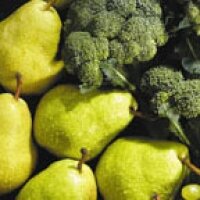
Fruits and Vegetables for Children and Families
Children need a healthy balanced diet including whole grains, fruits and vegetables, meats and alternatives and dairy products to grow, stay healthy and develop as they should. Unfortunately, while most kids love fruit, many don’t like vegetables. What’s a parent to do?
Start by sharing responsibility for what is eaten at mealtimes. Parents are responsible for what foods are served, and children are responsible for whether and how much is eaten.
This approach removes the pressure of “making” a child eat certain foods – so parents can concentrate on providing variety, and on making mealtime a fun, enjoyable family time.
Remember, encourage your children to try fruits and vegetables but don’t ever force them to eat. Read on for more tips to make fruits and veggies fun.
Helping children enjoy their greens – and reds, yellows, oranges, blues and purples!
First of all, show your kids that fruits and vegetables come in a variety of colors, tastes, and textures. And they’re fun!
They crunch…
They snap…
They “shmoosh”…
They fill your mouth with juice that dribbles down your chin…
And you can pick them up with your fingers and dip them in yummy sauces!
It helps to:
- Set a good example. Children are more likely to eat a variety of fruits and vegetables if they see you eating and enjoying them.
- Provide a variety of healthy meals and snacks every day. Make sure there’s something at each meal that your child will eat, but don’t always provide their favourite foods.
- Serve small portions and allow your child to ask for second helpings.
- Trust your child’s body to tell him when he’s hungry or full. It’s not your job to decide if your child has eaten enough. If he’s not grazing between regular meal and snack times, he will eat when he’s hungry.
- Don’t make a fuss. Give gentle praise for trying something new, but don’t use food as a reward or a punishment.
- Set regular meals and snack times. Children need to be fed regularly and often. When your child knows she’ll be fed at regular intervals she will learn to listen to her body and choose to eat or not eat, based on whether she’s hungry.
- Always include fruits and vegetables at meals and snacks. Offer a variety and prepare them in different ways.
- Eat together as a family as often as you can. Children are more likely to eat fruits and vegetables when they share meals with their family.
- Cook one meal and offer everyone the same foods, instead of catering to special tastes and preferences.
- If your child doesn’t want the healthy foods being offered, don’t tempt or bribe him with special items; this will only encourage him to eat for reasons other than hunger.
- Remember that children sometimes need to see a food up to 10 times before they’ll try it. And they may need to try it 10 times again before they decide they like it.
- It’s okay to dress up fruits and vegetables with a little butter and brown sugar, cheese or buttered crumbs from time to time.
- Don’t try to trick your child into eating something by hiding it in other foods or changing its appearance. That will only lead to distrust.
- Children tend to like fruits and vegetables raw, so keep a variety prepared in the fridge or in a bowl on the counter where they can get them easily.
- Don’t forget dips! Salsa and guacamole are two ways to add vegetables, and there are plenty more.
- Involve your children in buying and preparing fruits and vegetables. They’re more likely to eat foods they help prepare. Give them tasks they can handle. A two-year old can bring ingredients from one place to another and tear salad greens. An older child can measure ingredients and prepare simple dishes with supervision. And a teenager can take some – or all – responsibility for meal preparation.
Ages and Stages
Children go through stages and these affect their eating behaviors. Knowing what to expect at different stages can help.
- Toddlers do best with finger foods. If they’re just learning to use forks and spoons, expect some mess and be ready to wipe up spills. One to two tablespoons of food at any one time is about all they can manage and, if they eat well at one meal, they may not at the next. They like to say “no” to new foods but are likely to try them if parents ignore the “no.”
- Preschoolers are curious. They like to help prepare foods, mixing and stirring, making sandwiches or cleaning fruits and vegetables. They like to eat the foods they’ve helped prepare and they eat best when surrounded by pleasant conversation.
- School-age children (6-12) generally eat well. They tend to be more accepting of new foods. As they get older they enjoy eating simple foods they’ve prepared themselves.
- Teenagers can take responsibility for preparing some meals. They like the foods their friends eat and are prone to mood swings and eating jags. They may complain about family meals – but studies show it’s one of the ways they enjoy spending time with parents.