
| HEALTHY LIVING TIPS 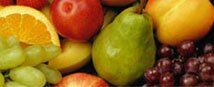 |



24 Ways to Turn Over a New Leaf Everyone needs a good variety of healthy foods every day. Eating well can give you more energy, help you sleep better and make it easier to concentrate. And those are just the short-term benefits. Think your eating habits could use some improvement? Here are a few simple ways to boost nutrition without radically changing your lifestyle. 1. Go for variety. To function properly, you need at to eat foods that provide a lot of different nutrients. Eating a wide variety of foods can help ensure your body gets the nutrients it needs. Include fruit, vegetables, nuts, legumes (such as dried peas, beans and lentils), whole grain cereals, low fat dairy products, lean meat, fish and skinless chicken. 2. Eat mindfully. Sometimes we eat without thinking about it, or paying attention to what we are eating, and how much. Take time to taste and enjoy your food. Try to eat with other people when possible, and avoid distractions such as television, or reading when eating. 3. Start the day well. Have a morning meal, and choose nutritious foods like low sugar cereal, muesli or oatmeal. For something different, try making a fruit salad, or spreading avocado, tuna or baked beans on toast instead of butter or jam. 4. Break new bread. For something different, p ick up some English muffins, pita bread, roti, bagels, foccacia, crisp bread, rice cakes, corn cakes, chapattis or tortillas. Try sourdough, multigrain, whole grain, soy, rye and fruit bread as alternatives to white bread. 5. Keep your bones strong. Choose low fat milks, yogurts, cheeses or other sources of calcium and vitamin D. 6. Be lean with meat. Choose fish or skinless chicken frequently throughout the week to add variety. Reduce your intake of fatty, salty or processed meats like bacon, sausage and salami. 7 . Eat your juice. Choose whole fruit instead of fruit juice or fruit drinks, which contain energy but little fibre. 9. Snack healthy. Keep healthy foods close at hand. Replace cookies, cakes, chocolate, energy bars, chips and pastries with vegetables and low fat dips, rice crackers, fruit, low fat milk products, cherry tomatoes, dried fruit and / or nuts. 10. Downsize your order. Bigger isn't always better. Some food outlets offer to “supersize” your meal, providing extra calories, fat and sugar. Say no. No one needs all that extra food. 11. Go slow. Sit and eat slowly. You'll not only enjoy your meals more, but your digestive system will be much happier. Avoid eating on the run, at your desk, or in a stressful environment. 12. Shop healthy. Fill your shopping cart with mostly fruits, vegetables, legumes (such as dried peas, beans and lentils) and whole grain cereals. 13. Go for colour with fruits and vegetables. Put together a mixed palette of yellow, green, orange, purple and red fruits and vegetables such as pumpkin, peppers, eggplant, carrots, melons, plums, berries and apricots. 14. Add some zest to meals. Chopped veggies are great in omelettes, stir fries, soups, salads, stews and casseroles. Add grated zucchini, carrot, pumpkin, sweet potato or fresh beets to bread, risottos, muffins and pancakes. Vegetable soups can make a main meal if you add 15. Be creative with fruit. Fruit can be used in a number of ways - fresh, frozen, dried or canned. Serve stewed or baked plums, apples, pears, rhubarb or berries for dessert. Or add fruit to custard, yogurt, rice puddings and pancakes. 16. Build a meal around vegetables. You should include dark/medium-green and orange/yellow vegetables with every main meal. Some examples are carrots, pumpkin, bok choy, broccoli, spinach, greens beans, cauliflower and spinach. 17. Make a super veggie sandwich. Order a double serving of salad on your lunch sandwich and include beets, grated carrots, sprouts, celery, dark green lettuce or cucumber. 18. Take short cuts. Frozen, dried or canned fruits and vegetables are great for convenience. Pre-cut vegetables are perfect for stir frying, steaming, roasting or baking. 19. Change your focus. Make vegetables the dominant force on your plate rather than meat, potatoes, rice or pasta. 20. Change to water. Whenever possible, drink water instead of soft drinks, alcohol, sports drinks, caffeine drinks or alcohol and always carry a bottle of water when exercising. 21. Alcohol? If you drink wine, spirits or liquor, have no more than 1 per day (for women), or 1-2 per day (for men). Be sure to also drink plenty of water. 22. Have a plan. Decide the level of your 'healthy' commitment. Work out realistic goals and write them down. Check your progress regularly and make changes where you think you need them. 23. Stay on course. Be prepared for setbacks and look at barriers to your healthy eating plans as they occur. Notice why and when you're slipping and try to get back on track as soon as possible. 24. Get help if you need it. Call Dial-a-Dietitian if you need help with your nutrition questions. Eating Well With Canada's Food Guide Translated Versions of Canada's Food Guide
Making it Happen: Healthy Eating at School Dietitian Services @ Healthlink BC Dietitians of Canada - Eating Out Smarts Dietitians of Canada - Supermarket Smarts This information was adapted from the “Go for your life” campaign with kind permission by the Victorian Government,
|